What matters when buying Mini Fridges
Size and Capacity
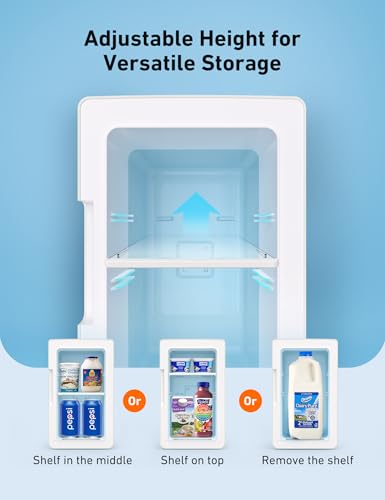
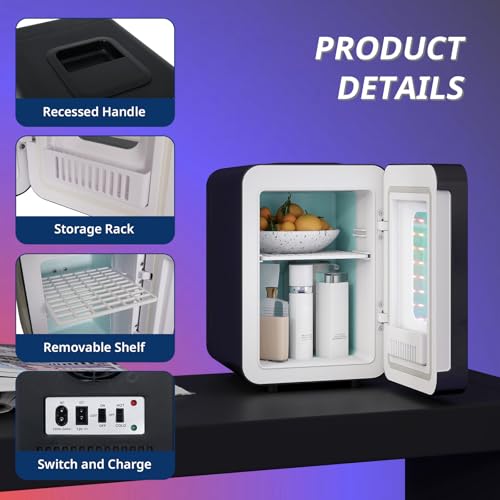
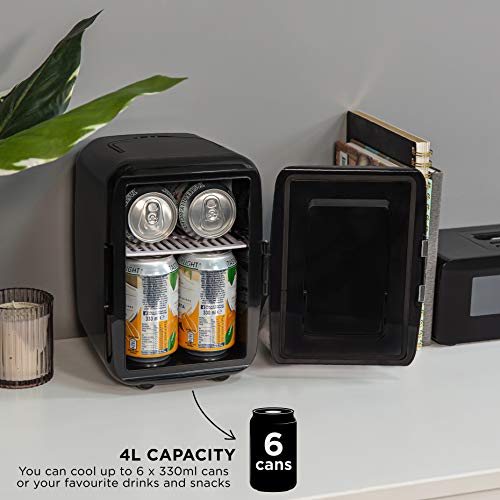
When selecting a mini fridge, size and capacity are crucial factors to consider. Mini fridges are available in various sizes, typically ranging from 4 to 45 litres. Smaller models, around 4 to 6 litres, are suitable for storing drinks, snacks, or cosmetics, making them ideal for personal use in bedrooms or for travel. Larger models, such as those with 15 litres or more, can accommodate more extensive food storage needs, making them suitable for offices or small kitchens. It is essential to assess the intended use and available space to choose a model that meets specific requirements.
Cooling Technology
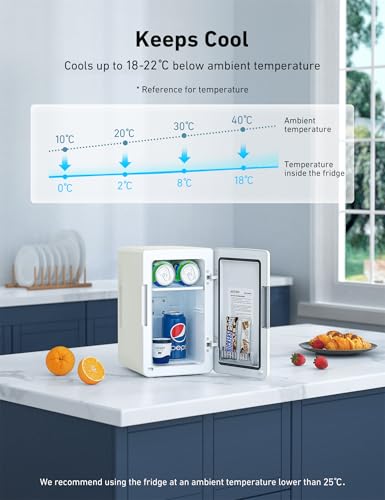
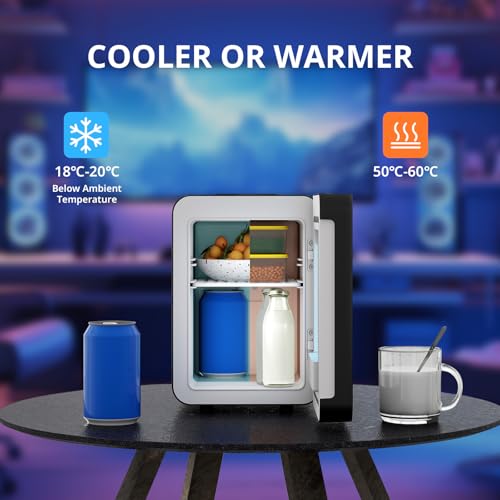
Mini fridges employ different cooling technologies, primarily thermoelectric and compressor-based systems. Thermoelectric mini fridges are generally quieter and lighter, making them suitable for portable use, such as in cars or bedrooms. However, they may not maintain low temperatures as effectively as compressor-based fridges, which are typically more powerful and can reach lower temperatures, making them better for preserving perishable items. Understanding the cooling needs based on intended usage is important when making a selection.
Power Source
Many mini fridges offer dual power options, allowing them to be powered by both AC mains and DC car batteries. This flexibility is particularly useful for individuals who plan to use the fridge in various settings, such as at home, in the office, or while travelling. Models that can switch between these power sources provide enhanced versatility, allowing for use in different environments. It is advisable to check the compatibility of the fridge with the intended power supply for optimal performance.
Noise Level and Energy Efficiency
Noise level is an important consideration, especially for models intended for bedrooms or quiet environments. Many mini fridges operate at low noise levels, typically around 39dB, which is comparable to a quiet library. Additionally, energy efficiency plays a significant role in long-term operating costs. Fridges are classified into energy classes, with higher ratings indicating lower energy consumption. Opting for an energy-efficient model can reduce electricity bills and environmental impact over time. Checking the energy rating can help in selecting a model that balances performance with energy consumption.
Footnotes
* Terms such as "best" and similar expressions reflect our personal assessment.
** Prices and availability may have changed since they were last retrieved. The price shown by the seller at the time of purchase applies.
Further important information
We may receive a commission if you make a purchase via the links on our site. This has no impact on the placement of the products on our site. Our website is part of amazon associates program - Amazon, Amazon Prime, the Amazon Logo and Amazon Prime Logo are registered trademarks of Amazon, Inc. or its affiliates. Disclaimer: